A solar generator is a portable or stationary power system that stores electricity in a battery and supplies power to electrical devices when needed. Unlike traditional petrol or diesel generators, a solar generator does not burn fuel to produce electricity. Instead, it typically uses solar panels to capture energy from the sun, which is then stored in a rechargeable battery.
Solar generators have become increasingly popular as people look for cleaner, quieter, and more convenient alternatives to conventional generators. In Nigeria, where power interruptions are a common concern for homes and businesses, a solar generator can provide a practical source of backup electricity for essential appliances and devices.
But how exactly does a solar generator work? What can it power? How long does it last? And is it suitable for your home or business?
This guide explains everything you need to know about solar generators.
What Is a Solar Generator?
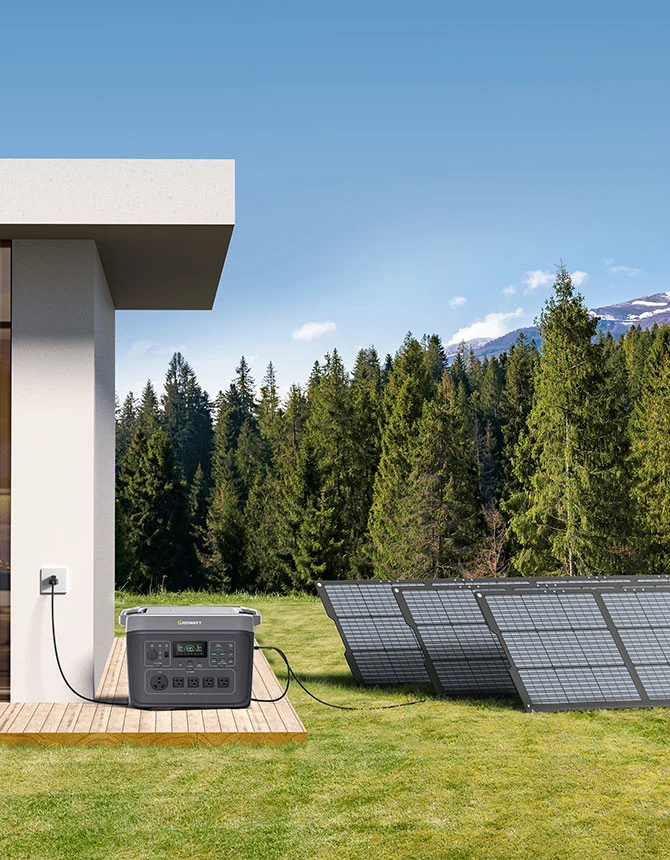
A solar generator is a battery-based power system designed to store and deliver electrical energy. A typical solar generator consists of several key components, including a rechargeable battery, inverter, charge controller, and power outlets. Solar panels can be connected to the system to recharge the battery using sunlight.
Unlike a conventional generator, which uses an engine and fuel to generate electricity, a solar generator uses stored electrical energy.
In simple terms:
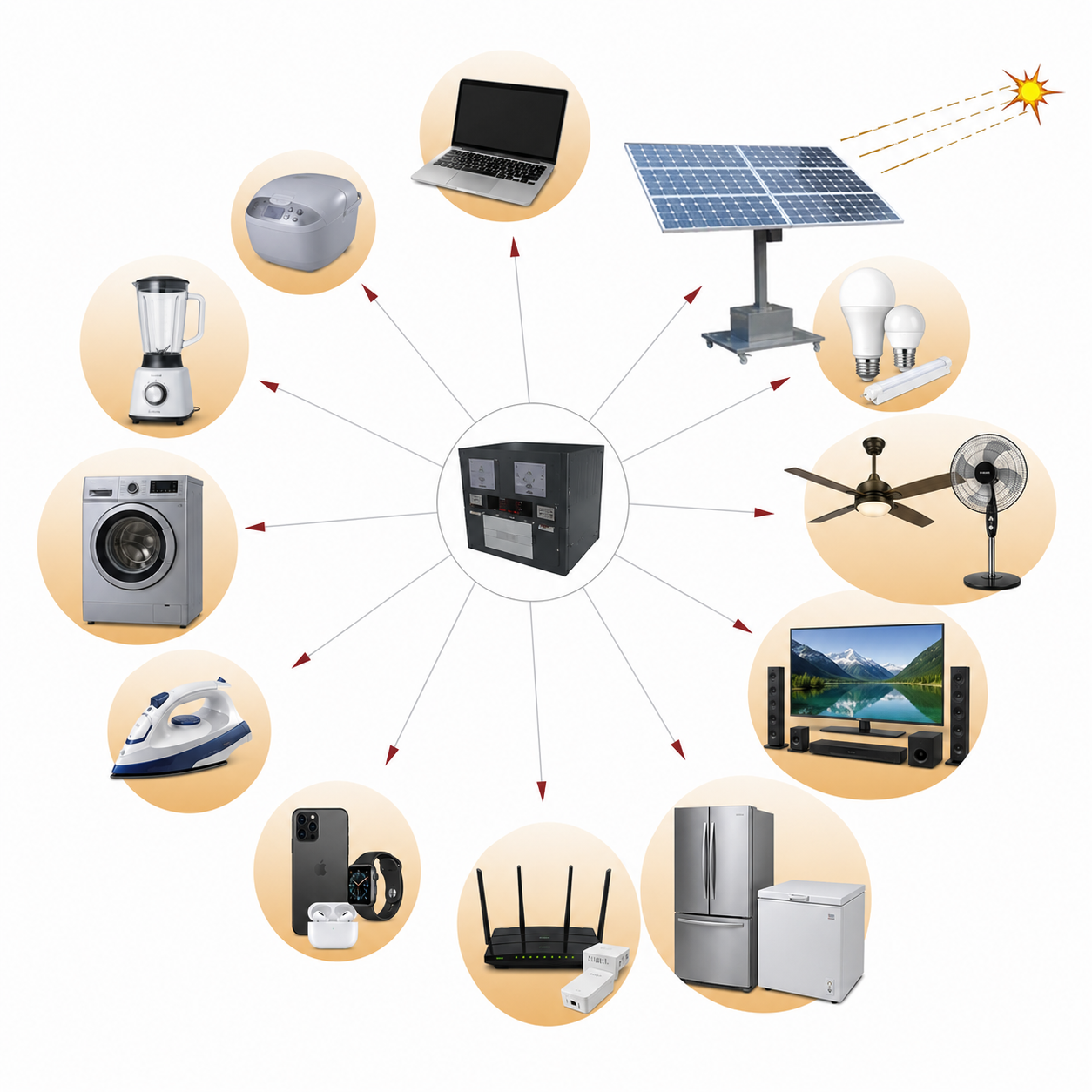
Sunlight → Solar Panels → Battery → Inverter → Your Appliances
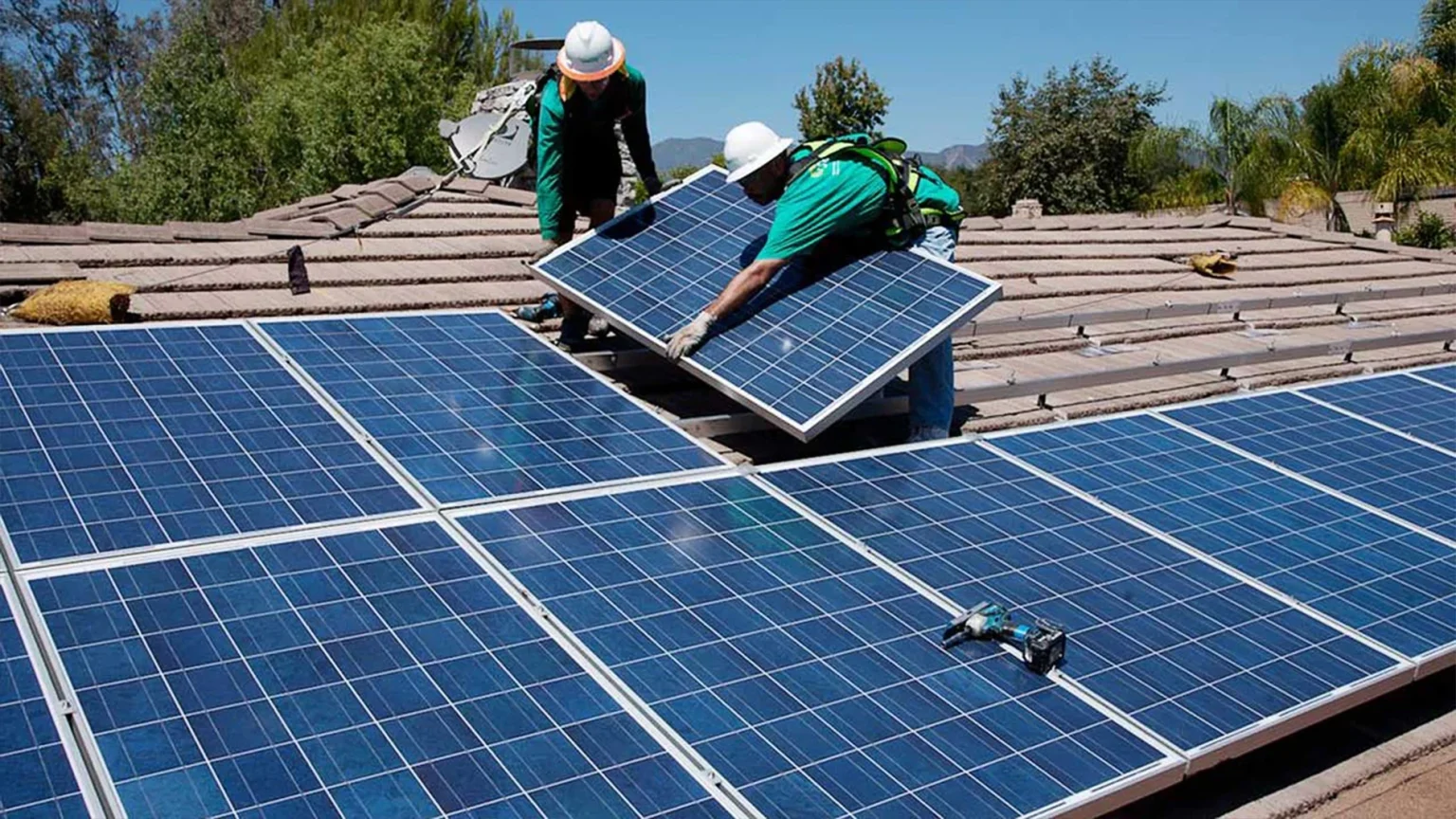
The solar panels convert sunlight into electrical energy. The system stores that energy in its battery, and the inverter converts the stored electricity into usable AC power for appliances such as televisions, refrigerators, lights, fans, laptops, and other compatible devices.
Some solar generators can also be charged from a wall outlet or another power source, allowing users to recharge the battery even when sunlight is unavailable.
How Does a Solar Generator Work?
Understanding how a solar generator works is relatively simple.
1. Solar panels capture sunlight
Solar panels contain photovoltaic cells that convert sunlight into direct current (DC) electricity.
The amount of electricity produced depends on factors such as:
- Solar panel wattage
- Amount of sunlight available
- Weather conditions
- Panel orientation and positioning
- Solar generator charging capacity
2. The battery stores the energy
The electricity produced by the solar panels is sent to the solar generator’s battery.
The battery acts as the energy storage component of the system. Instead of having to use electricity immediately when the sun is shining, you can store the energy and use it later.
Modern solar generators commonly use lithium-based batteries because they can provide good energy density, relatively long service life, and efficient charging and discharging.
3. The inverter converts the electricity
Most household appliances require alternating current (AC) electricity, while batteries store electricity as direct current (DC).
The inverter converts DC electricity from the battery into AC electricity that compatible household appliances can use.
This is what allows you to connect devices such as televisions, refrigerators, lights, laptops, and other equipment to the solar generator.
4. The system powers your appliances
Once the battery has stored enough energy, you can connect your appliances to the solar generator.
Depending on the system’s capacity and output rating, it may power anything from small electronic devices to larger household appliances.
What Are the Main Components of a Solar Generator?
Although solar generators come in different designs and sizes, most systems contain several important components.
Battery
The battery stores electrical energy for later use.
Battery capacity is commonly measured in watt-hours (Wh) or kilowatt-hours (kWh).
For example, a 1,000Wh battery theoretically stores 1kWh of energy.
However, the usable energy available to your appliances can be lower than the battery’s stated capacity because of conversion losses and the system’s operating limits.
Inverter
The inverter converts DC electricity stored in the battery into AC electricity for compatible appliances.
The inverter’s output rating is usually measured in watts (W) or kilowatts (kW).
This rating is important because it determines how much power the solar generator can deliver at a given time.
Solar charge controller
The charge controller regulates electricity coming from solar panels into the battery.
It helps manage the charging process and protects the battery from unsuitable charging conditions.
Many modern solar generators have the charge controller integrated into the main unit.
Solar panels
Solar panels provide the renewable energy used to recharge the battery.
Some portable solar generators are sold without solar panels, allowing users to purchase compatible panels separately.
Others are sold as complete kits.
AC and DC outputs
Solar generators may include different output ports, depending on the model.
These can include:
- AC outlets
- USB ports
- USB-C ports
- DC outputs
- Car-style DC outlets
The available ports determine the types of devices you can connect directly to the unit.
What Can a Solar Generator Power?
The appliances a solar generator can power depend primarily on two things:
- Battery capacity
- Inverter output
A small solar generator may be suitable for electronics and essential devices, while a larger unit can handle higher-power appliances.
Depending on its capacity, a solar generator may power:
- LED lights
- Smartphones
- Tablets
- Laptops
- Wi-Fi routers
- Televisions
- Fans
- Refrigerators
- Small freezers
- Cameras and security systems
- Small appliances
- Some power tools
However, not every solar generator can power every appliance.
Devices with heating elements or powerful motors can require significantly more electricity. Examples include electric cookers, kettles, irons, large air conditioners, and some pumping systems.
Before purchasing a solar generator, it is important to calculate the power requirements of the appliances you intend to use.
Solar Generator Capacity Explained
One of the most important specifications to understand when choosing a solar generator is battery capacity.
Battery capacity is commonly expressed in watt-hours.
For example:
- 500Wh = 0.5kWh
- 1,000Wh = 1kWh
- 2,000Wh = 2kWh
- 5,000Wh = 5kWh
A larger battery generally allows you to store more energy.
However, battery capacity alone does not determine what the system can power.
You also need to consider the inverter’s output.
For example, a solar generator may have a large battery but a relatively small inverter. In that case, it could store considerable energy but still be unable to operate an appliance requiring more power than the inverter can provide.
What Is the Difference Between Battery Capacity and Power Output?
This is a common point of confusion.
Battery capacity tells you how much energy the system can store.
Power output tells you how much power the system can deliver at a particular moment.
Battery capacity is measured in Wh or kWh, while power output is measured in W or kW.
Think of the battery as the size of a water tank and the inverter as the size of the pipe supplying the water.
A larger tank stores more water, but the size of the pipe determines how quickly water can flow out.
Similarly, a larger battery stores more energy, while the inverter determines how much electrical power can be delivered to your appliances.
How Long Can a Solar Generator Run?
There is no single answer because runtime depends on the battery capacity and the amount of power being consumed.
A simplified calculation is:
Runtime ≈ Battery Capacity (Wh) ÷ Appliance Power Consumption (W)
For example, if a solar generator has a 1,000Wh battery and you are powering a device that consumes approximately 100W:
1,000Wh ÷ 100W = 10 hours
In real-world use, the actual runtime will generally be lower because of inverter losses, battery limitations, and other system factors.
If several appliances are connected at the same time, their power consumption must be added together.
How Is a Solar Generator Recharged?
Solar generators can typically be recharged in several ways, depending on the model.
Solar charging
Solar panels can recharge the battery using sunlight.
This is one of the biggest advantages of a solar generator because it allows you to generate and store electricity without continually purchasing petrol or diesel.
AC charging
Some solar generators can be plugged into a conventional electrical outlet.
This can be useful when grid electricity is available and you want to charge the battery before an expected outage.
Other charging methods
Depending on the model, some systems may support additional charging methods, such as vehicle charging or compatible external power sources.
Always check the manufacturer’s specifications before connecting a solar generator to an alternative charging source.
Solar Generator vs Petrol Generator
Solar generators and petrol generators serve similar purposes but operate very differently.
| Feature | Solar Generator | Petrol Generator |
|---|---|---|
| Fuel required | No petrol or diesel | Petrol or diesel |
| Solar charging | Yes | No |
| Noise | Generally very quiet | Typically noisy |
| Exhaust emissions | No direct exhaust emissions during operation | Produces exhaust emissions |
| Fuel storage | Not required | Required |
| Routine engine maintenance | No engine maintenance | Required |
| Operating cost | Mainly electricity/solar charging and maintenance | Fuel and maintenance |
| Portability | Many models are portable | Depends on model |
| Indoor operation | Depends on manufacturer and ventilation requirements | Generally unsuitable indoors due to exhaust gases |
A petrol generator can provide substantial power and can be refueled quickly. A solar generator, on the other hand, can offer quiet, battery-based power without the need to continuously buy fuel.
The right option depends on the user’s power requirements, budget, expected runtime, and the appliances that need to be powered.
Benefits of Using a Solar Generator
1. No petrol or diesel required
A solar generator can store energy from solar panels, reducing dependence on fuel for charging when solar energy is available.
This can be particularly useful for people who want to reduce their reliance on petrol generators.
2. Quiet operation
Because a solar generator does not use a conventional combustion engine, it can operate much more quietly than a petrol generator.
This can make it useful for homes, offices, shops, and other environments where excessive noise is undesirable.
3. Portable power
Many solar generators are designed to be portable.
Depending on their size and weight, they can be moved between rooms, taken to outdoor locations, or used during travel and emergencies.
4. Lower routine maintenance
A conventional generator has an engine with components that require regular maintenance.
A battery-based solar generator does not have the same type of engine maintenance requirements.
However, the battery and other electronic components still need to be used and maintained according to the manufacturer’s instructions.
5. Renewable energy source
When charged using solar panels, a solar generator uses energy from the sun.
Solar energy is renewable, making it an attractive option for people interested in cleaner energy solutions.
6. Useful during power outages
A solar generator can provide backup electricity when the grid is unavailable.
It can keep essential devices operating depending on its capacity and available stored energy.
What Are the Limitations of a Solar Generator?
Solar generators also have limitations that buyers should understand.
Initial cost
A quality solar generator and compatible solar panels can require a significant initial investment.
However, the total cost of ownership should be considered alongside fuel and maintenance costs when comparing different backup power options.
Limited battery capacity
Every solar generator has a finite amount of stored energy.
Once the battery is depleted, the system must be recharged before it can continue providing power.
Power limitations
A small solar generator may not be suitable for high-power appliances.
Before buying one, check both the continuous output and surge capacity of the inverter.
Solar charging depends on conditions
Solar panels require sunlight to generate electricity.
Cloud cover, rain, shading, panel positioning, and other environmental factors can affect charging performance.
How to Choose the Right Solar Generator
Choosing the right solar generator starts with understanding your electricity needs.
List the appliances you want to power
Write down everything you expect to connect to the system.
For example:
- TV
- Refrigerator
- Fan
- Lights
- Router
- Laptop
- Phone chargers
Check their wattage
Find the power consumption of each appliance.
This information can usually be found on the appliance’s label, manual, or manufacturer’s specifications.
Calculate your total load
Add the wattage of the appliances you expect to operate simultaneously.
This helps determine the minimum inverter output you require.
Estimate your required runtime
Determine how many hours you want the appliances to operate.
This helps you estimate the battery capacity you need.
Consider solar charging capacity
If you intend to rely heavily on solar charging, consider the solar panel capacity and the generator’s maximum solar input.
A larger solar array may recharge the battery more quickly, provided the generator supports the required input.
Consider future needs
Your electricity needs may increase over time.
If you expect to add appliances or require longer backup periods, choosing a system with additional capacity or expansion options may be worthwhile.
Solar Generator vs Solar Inverter System
A solar generator is not necessarily the same thing as a traditional solar inverter system.
A solar generator is often an integrated, battery-based power station containing the battery, inverter, charging electronics, and other components in one unit.
A solar inverter system for a home or business can be a more modular installation consisting of separate components such as:
- Solar panels
- Inverter
- Batteries
- Charge controllers
- Protection equipment
- Wiring and mounting equipment
Portable solar generators can be convenient for smaller loads and mobility, while larger solar power systems can be designed specifically for homes, businesses, and higher electricity demands.
The appropriate option depends on the user’s energy requirements.
Are Solar Generators Worth It?
Whether a solar generator is worth the investment depends on how you intend to use it.
A solar generator may be useful if you need:
- Backup electricity during outages
- Quiet power for a home or office
- Portable electricity
- Power for essential appliances
- A way to reduce reliance on petrol generators
- A rechargeable battery system that can use solar energy
However, the most important consideration is choosing a system that matches your actual power requirements.
A system that is too small may not provide enough energy, while buying a much larger system than necessary can increase your initial cost.
Frequently Asked Questions About Solar Generators
Is a solar generator the same as a normal generator?
No. A conventional generator normally uses an internal combustion engine to generate electricity from fuel. A solar generator primarily stores electricity in a battery and uses an inverter to provide usable electrical power.
Can a solar generator power a house?
Some larger solar generators can power selected household appliances, while smaller models may only be suitable for essential electronics. The appropriate capacity depends on the home’s electricity demand.
Can a solar generator power a refrigerator?
Yes, some solar generators can power refrigerators. However, you need to consider the refrigerator’s running power and startup surge, as compressors can briefly require significantly more power when starting.
Can a solar generator power an air conditioner?
Some high-capacity systems can operate compatible air conditioners, but air conditioners can consume substantial amounts of electricity. The inverter’s continuous and surge output, as well as the battery capacity, must be sufficient.
Can a solar generator work without solar panels?
Many solar generators can be charged from an AC outlet even without solar panels. However, if you want to recharge the system using sunlight, compatible solar panels are required.
How long does a solar generator battery last?
Battery lifespan depends on the battery chemistry, usage patterns, charging habits, operating conditions, and manufacturer specifications. Lithium-based batteries can provide many charging cycles when properly used, but their capacity gradually decreases over time.
Can I use a solar generator during a power outage?
Yes. A charged solar generator can provide backup electricity during a power outage, provided the appliances connected to it are within the system’s output and energy limits.
Conclusion
A solar generator is a battery-based energy system that can store electricity and provide backup power when you need it. When paired with solar panels, it can capture renewable energy from the sun and store it for later use.
For homes and businesses looking for an alternative to conventional fuel-powered generators, solar generators offer several potential benefits, including quiet operation, portability, reduced dependence on fuel, and access to renewable energy.
However, choosing the right solar generator requires more than simply looking at the advertised battery capacity. You should consider the battery capacity, inverter output, appliance load, required runtime, solar charging capacity, battery technology, and future energy needs.
At Ofasa Energy Solutions, we help customers understand their energy requirements and identify suitable solar and backup power solutions for their homes and businesses.
Need help choosing the right solar generator for your power needs? Contact Ofasa Energy Solutions to discuss your requirements and explore a suitable energy solution.